

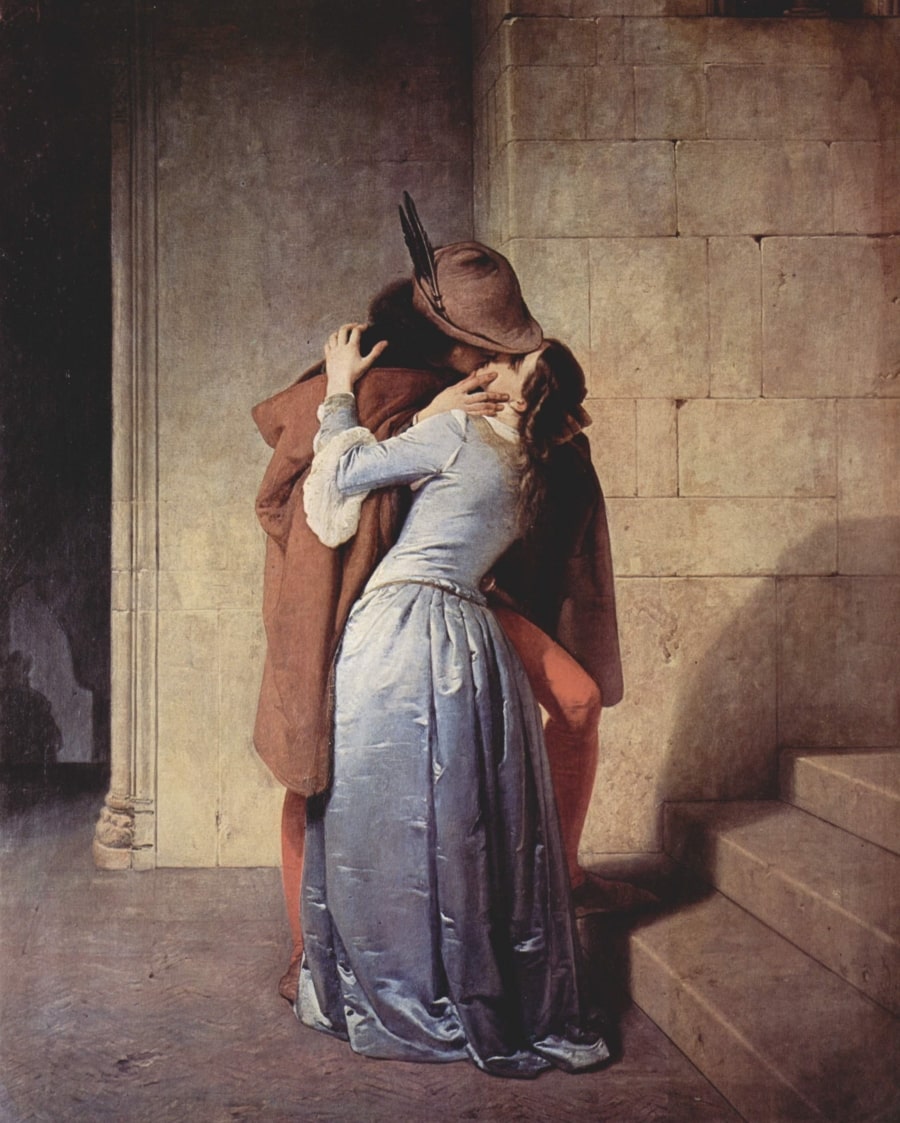

The Romanticism Art Movement emerged in Europe during the late 18th century and flourished throughout the first half of the 19th century. Romantic artists sought to express powerful emotions, imagination, and individual experience rather than relying on the order and rationality that had characterized Neoclassical art. Their works often featured dramatic landscapes, intense human emotion, historical subjects, exotic locations, and the overwhelming power of nature.
Romantic painters emphasized atmosphere, movement, and feeling. They were fascinated by storms, mountains, shipwrecks, and other scenes that evoked awe, wonder, or even fear. Many artists also explored themes of heroism, freedom, and the emotional struggles of humanity.
The Romantic movement began in the late 1700s, particularly in Germany and Britain, before spreading across Europe and the Americas. Political and social changes, including the French Revolution and the Industrial Revolution, greatly influenced Romantic ideals. Many Romantics felt that reason and scientific progress alone could not fully explain human experience. Instead, they celebrated the power of feelings, creativity, and personal expression.
Romanticism art is characterized by a strong emphasis on emotion and imagination, dramatic use of light and color, and an interest in nature’s power and beauty. It often features dynamic compositions full of movement, historical and literary themes, and a focus on individual experience and personal expression. There is also an exploration of the sublime, where beauty and terror coexist.
Romantic painters aimed to stir powerful emotions through dramatic scenes and bold use of color. Some of these important artists include:
Caspar David Friedrich, known for contemplative landscapes.

J. M. W. Turner, celebrated for his atmospheric paintings of nature and light.

Eugène Delacroix, whose works emphasized passion and movement.

The Romanticism art movement transformed European painting by encouraging artists to prioritize emotion, imagination, and personal expression. Its influence can be seen in later movements such as Symbolism, Impressionism, and Expressionism. Today, Romantic artworks remain celebrated for their dramatic beauty, emotional depth, and powerful depictions of the natural world.
Share your thoughts & leave a comment!