

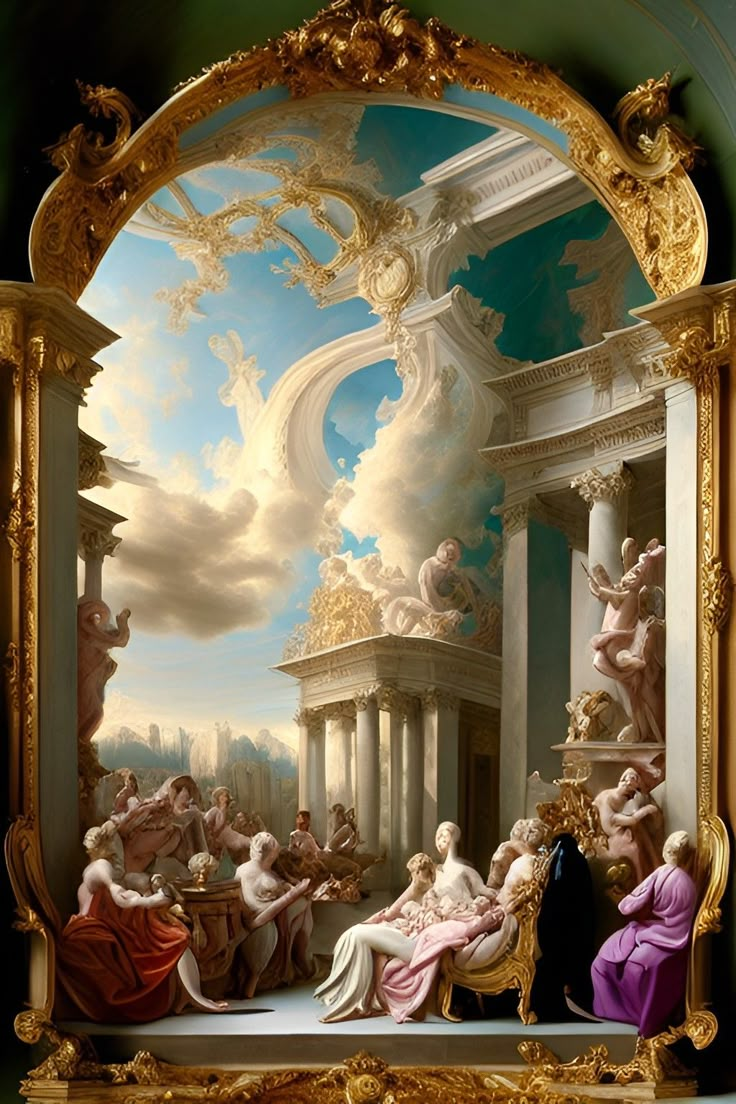

The Neoclassicism Art Movement emerged in Europe during the mid-18th century and remained influential into the early 19th century. Inspired by the art and culture of ancient Greece and Rome, Neoclassical artists sought to create works that reflected order, balance, logic, and ideal beauty. The movement developed partly in response to the decorative excesses of the Rococo style and was encouraged by renewed interest in classical antiquity following archaeological discoveries at Pompeii and Herculaneum.
Neoclassical artists valued discipline and precision.
Their paintings often depicted historical events, classical mythology, and scenes that conveyed moral virtue, courage, sacrifice, and civic duty. Rather than emphasizing emotion and drama, artists focused on clarity, harmonious composition, and carefully controlled brushwork.
Characteristics of Neoclassical Art
- Inspiration from ancient Greek and Roman art
- Balanced and symmetrical compositions
- Clear outlines and precise drawing
- Smooth paint application with minimal visible brushstrokes
- Historical and mythological subject matter
- Emphasis on reason, virtue, and moral ideals
- Idealized human figures and orderly settings
- Strong use of line over color
Famous Neoclassical Artists
Jacques-Louis David (1748-1825)

Interesting Fact: David became the leading painter of the Neoclassical movement. His famous works, including The Death of Socrates and Oath of the Horatii, promoted themes of patriotism, sacrifice, and civic virtue. His style featured strong contours, sculptural forms, and polished surfaces.
Antonio Canova (1757-1822)

Interesting Fact: Canova was one of the most celebrated sculptors of Neoclassicism. His sculptures were admired for their graceful forms and ideal beauty inspired by ancient Greek sculpture.
Jean-Auguste-Dominique Ingres (1780-1867)

Interesting Fact: Ingres was one of David’s most influential students. He became known for his precise draftsmanship and idealized portraits, helping preserve Neoclassical principles long after the movement’s peak.
Notable Neoclassical Artwork
The Death of Socrates (1787)

Artist: Jacques-Louis David
This iconic painting depicts the Greek philosopher Socrates calmly accepting his death sentence. The work exemplifies Neoclassical ideals through its balanced composition, classical setting, and emphasis on moral courage and reason.
Oath of the Horatii (1784)
Artist: Jacques-Louis David
One of the defining works of Neoclassicism, this painting portrays Roman brothers pledging loyalty to their city. Its strong geometry, dramatic poses, and message of duty over personal feelings became hallmarks of the movement.
Legacy of Neoclassicism
Neoclassicism had a lasting impact on European and American art. Its emphasis on technical skill, historical subject matter, and classical ideals influenced generations of painters and sculptors. Even today, Neoclassical works are admired for their elegance, precision, and timeless sense of order. The movement also laid important foundations for academic art instruction throughout the 19th century.
Share your thoughts & leave a comment!