
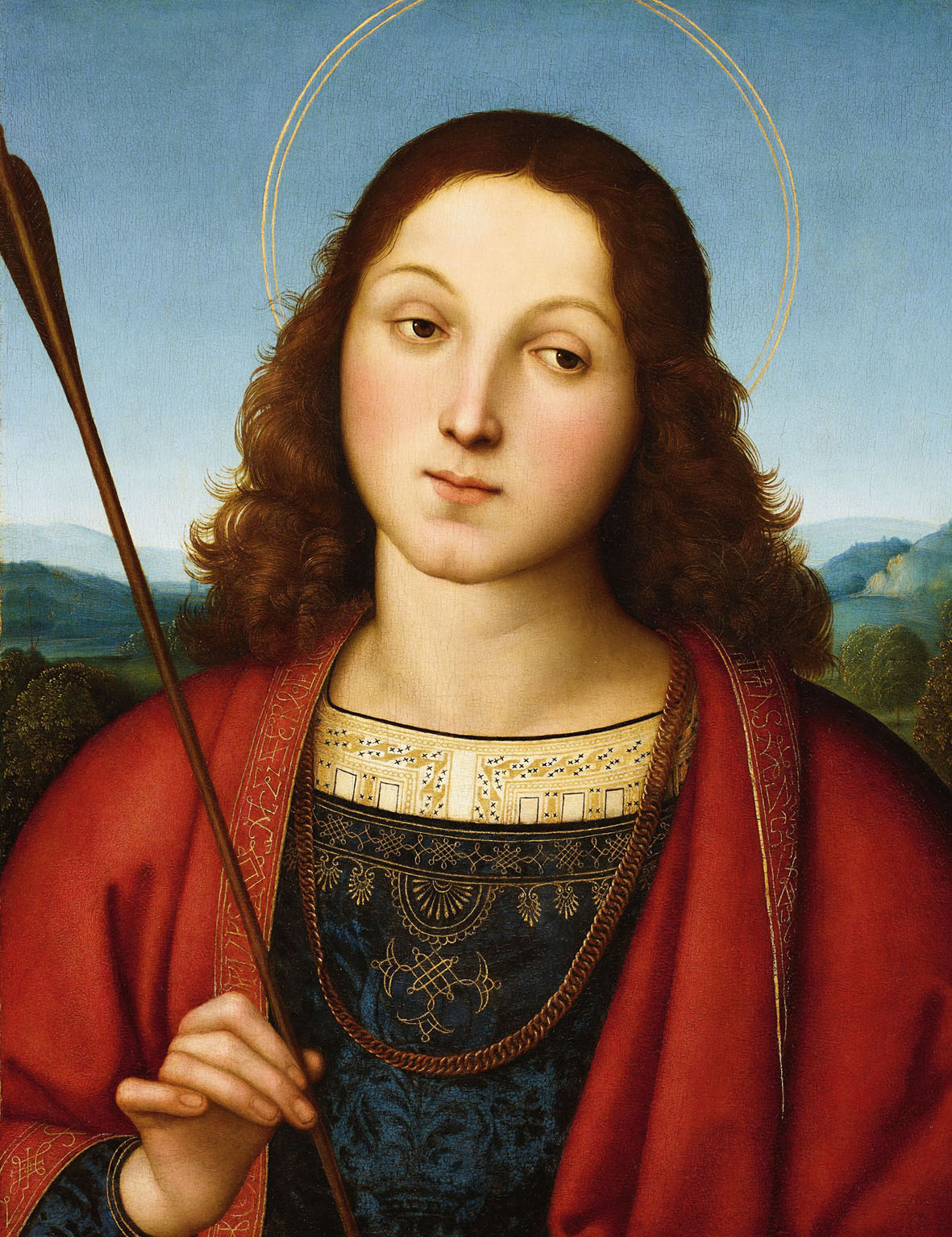
Raphael, born as Raffaello Sanzio da Urbino (1483–1520), stands as one of the great masters of the High Renaissance, celebrated for his serene compositions, luminous color, and extraordinary clarity of form. Born in Urbino and trained under Perugino, he rose quickly to prominence, refining a style that blended gentle emotion with perfect balance.
His move to Florence deepened his artistry through the influence of Leonardo and Michelangelo, and by 1508 he was summoned to Rome, where he created his most iconic works — including The School of Athens and the radiant series of Madonnas. Admired in his lifetime as the “Prince of Painters,” Raphael’s legacy endures as a symbol of harmony, beauty, and Renaissance perfection.
Click any artwork to open its details and discover the story behind the piece.


Spotlight Videos
Latest Articles

Raphael: Master of Renaissance Harmony
Raphael was a central figure of the High Renaissance whose work defined the visual language of Western art through harmony and balance. His masterpieces, including The School of Athens and various Madonna paintings, established enduring standards for composition, beauty, and the visual representation of intellectual and divine ideals. By perfecting techniques such as triangular arrangements…

You must be logged in to post a comment.