
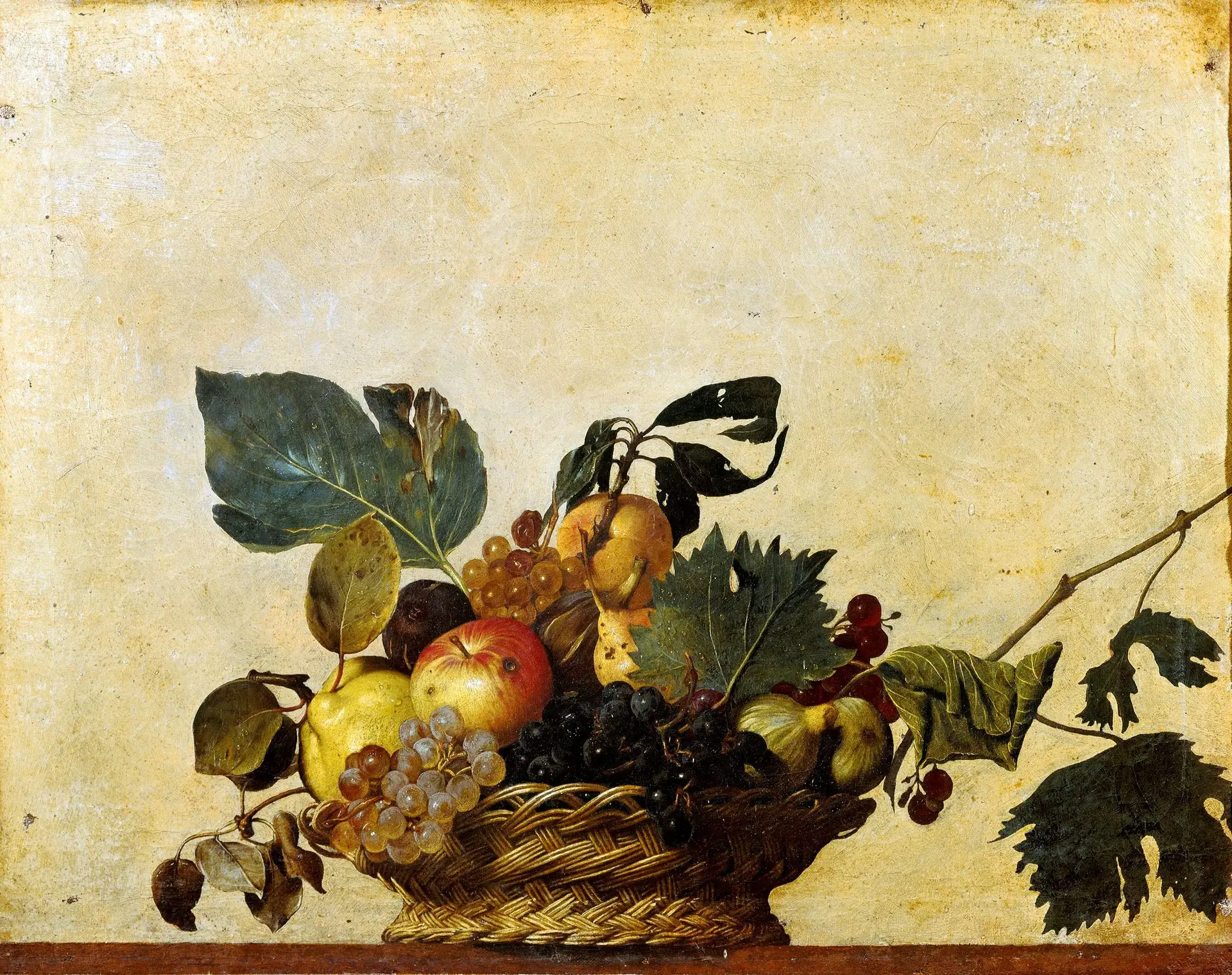
Michelangelo Merisi da Caravaggio revolutionized Renaissance art through tenebrism, a technique utilizing dramatic light and shadow. His work rejected idealized beauty in favor of gritty realism, depicting religious and mythic figures as ordinary, flawed human beings. This cinematic approach created intense emotional tension and continues to influence modern visual media.
Beyond his artistic innovations, Caravaggio led a volatile life marked by legal trouble and exile. Despite his personal turmoil, he produced masterpieces across Italy before his death at age thirty-eight. His legacy persists in modern photography and film lighting, proving the enduring power of his bold visual storytelling.

Few artists in history burned as brightly — or as dangerously — as Michelangelo Merisi da Caravaggio. His paintings feel like lightning strikes: raw, emotional, and brutally honest. In an era obsessed with ideal beauty, Caravaggio painted people as they truly were — scarred, tired, flawed, and achingly human.
Today, his work still hits with the force of something shockingly modern.
A Life Lived on the Edge
Caravaggio wasn’t just dramatic on canvas — his real life was a storm.
Born in 1571 near Milan, he arrived in Rome as a young painter with nothing but talent and trouble trailing behind him. He lived fast, fought often, and carried a reputation for being volatile, brilliant, and impossible to ignore.
He drank too much. He brawled constantly. He killed a man. And through all of it, he painted masterpieces that changed art forever.
Caravaggio’s life reads like a novel — but his art is where the real revolution happened.
The Birth of Tenebrism: Light as a Weapon
Caravaggio’s signature style, tenebrism, is all about extremes:
- violent contrasts
- deep shadows
- a single beam of light cutting through darkness
He used light like a spotlight on a stage, forcing the viewer to look exactly where he wanted. Faces emerge from blackness. Hands glow with divine intensity. Every detail feels heightened, almost cinematic.
This wasn’t just technique — it was storytelling.
Caravaggio made ordinary people look mythic, and mythic people look painfully real.
What is Tenebrism? It is a dramatic lighting technique where most of the scene is plunged into deep shadow, and a sharp, focused beam of light highlights the subject. It creates intense contrast and emotional tension, making figures feel almost theatrical.
Real People, Real Stories
While other artists painted saints as flawless beings, Caravaggio used:
- beggars
- street kids
- prostitutes
- laborers
He turned the overlooked into icons.
In The Calling of Saint Matthew, the moment of divine intervention feels like a bar scene interrupted by a miracle. In Judith Beheading Holofernes, the violence is unflinching, almost uncomfortable. In The Supper at Emmaus, Christ looks like a weary traveler rather than a glowing deity.
Caravaggio didn’t beautify the world — he revealed it.

Title: The Calling of Saint Matthew
Medium: Oil on canvas
Date: 1599-1600
Title: Judith Beheading Holofernes
Medium: Oil on canvas
Date: 1620


Title: The Supper at Emmaus
Medium: Oil on canvas
Date: 1601
Controversy, Exile, and Genius
Caravaggio’s temper eventually caught up with him. After killing a man during a fight, he fled Rome and spent years wandering Italy, painting masterpieces while running from the law.
Even in exile, his work remained electric:
- David with the Head of Goliath — a haunting self‑portrait
- The Seven Works of Mercy — a dense, compassionate masterpiece
- The Beheading of Saint John the Baptist — his largest and most solemn work
His final years were a blur of illness, paranoia, and relentless creativity. He died in 1610 at just 38, leaving behind a legacy that reshaped art forever.
Caravaggio’s Impact Today
Caravaggio’s influence is everywhere:
- modern photography
- film lighting
- dramatic portraiture
- realism in contemporary art
Directors like Scorsese and painters across the world borrow his visual language — the stark shadows, the spotlight glow, the emotional intensity.
He made art feel alive. He made stories feel human. He made darkness beautiful.
Why Caravaggio Still Matters
Caravaggio reminds us that beauty isn’t always soft or perfect. Sometimes it’s gritty, flawed, and carved out of shadow. His paintings feel like confessions — honest, vulnerable, and unforgettable.
For artists today, he’s a reminder to:
- embrace imperfection
- tell the truth
- use light boldly
- paint what feels real
Caravaggio didn’t follow the rules. He rewrote them. And the art world never recovered — in the best possible way.
Share your thoughts & leave and leave a comment!