

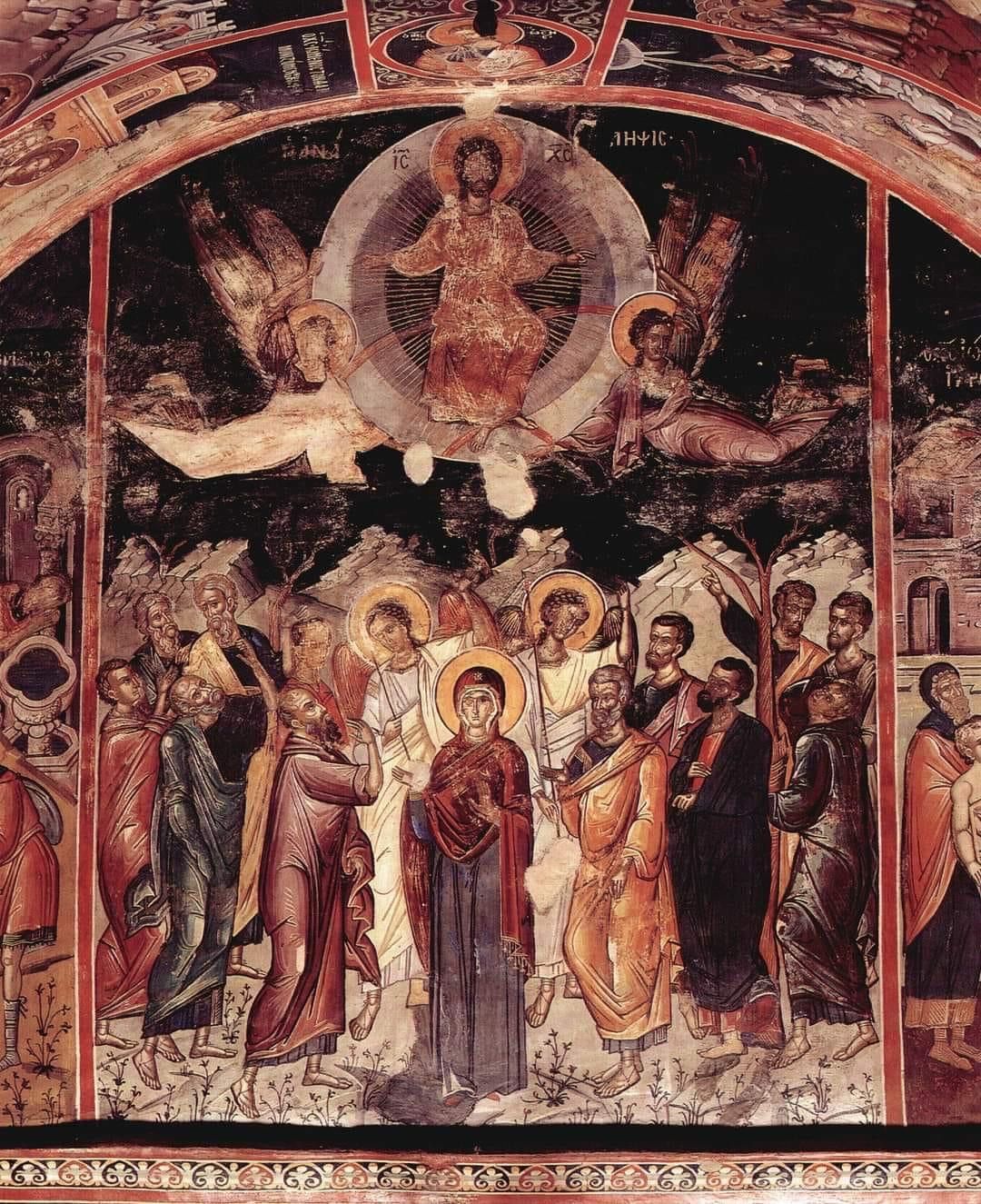

The Byzantine art movement stands as one of the most enduring and spiritually charged traditions in art history. Emerging from the Eastern Roman Empire and centered in Constantinople, Byzantine art shaped Christianity’s visual language for more than a thousand years. Its shimmering gold backgrounds, solemn figures, and symbolic compositions created a style that was less concerned with earthly realism and more focused on conveying the divine.

Medium: Mosaic (tesserae)
Date: c. 425 AD

Medium: Mosaic (tesserae)
Date: c. 547 AD

Medium: Tempera and gold on panel (icon)
Date: c. 6th century
Historical Context
After the fall of the Western Roman Empire, the East continued to thrive. The Byzantine Empire became a cultural powerhouse, blending Roman heritage with Greek, Middle Eastern, and early Christian influences. Art became a tool of devotion, political power, and theological communication.
Key periods include:
- Early Byzantine (c. 330–726) — Formation of Christian iconography.
- Middle Byzantine (c. 843–1204) — Flourishing of mosaics and church decoration after the Iconoclasm.
- Late Byzantine (c. 1261–1453) — Refinement of style and expansion into Eastern Europe.
Characteristics of Byzantine Art
- Gold backgrounds — Symbolizing heaven and divine light.
- Frontal, iconic figures — Saints, Christ, and the Virgin depicted with solemn expressions.
- Stylization over realism — Elongated bodies, almond-shaped eyes, and symbolic gestures.
- Rich mosaics — Thousands of glass tesserae creating glowing, jewel-like surfaces.
- Religious focus — Art served liturgical and devotional purposes, not personal expression.
Iconography and Symbolism
Byzantine artists used visual codes to communicate spiritual meaning:
- Halos represented holiness.
- Hand gestures conveyed blessing or teaching.
- Color symbolism was essential:
- Blue for divinity
- Red for humanity
- Gold for the eternal realm
Legacy and Influence
These choices were intentional, forming a visual theology that guided worshippers.
Byzantine art shaped:
- Orthodox Christian icon painting
- Medieval European art
- Early Renaissance artists who studied its symbolism
Even today, its influence appears in modern religious art, graphic design, and contemporary works that borrow its flatness, symmetry, and spiritual intensity.
Watch the video to learn more:
Share your thoughts & leave a comment!