

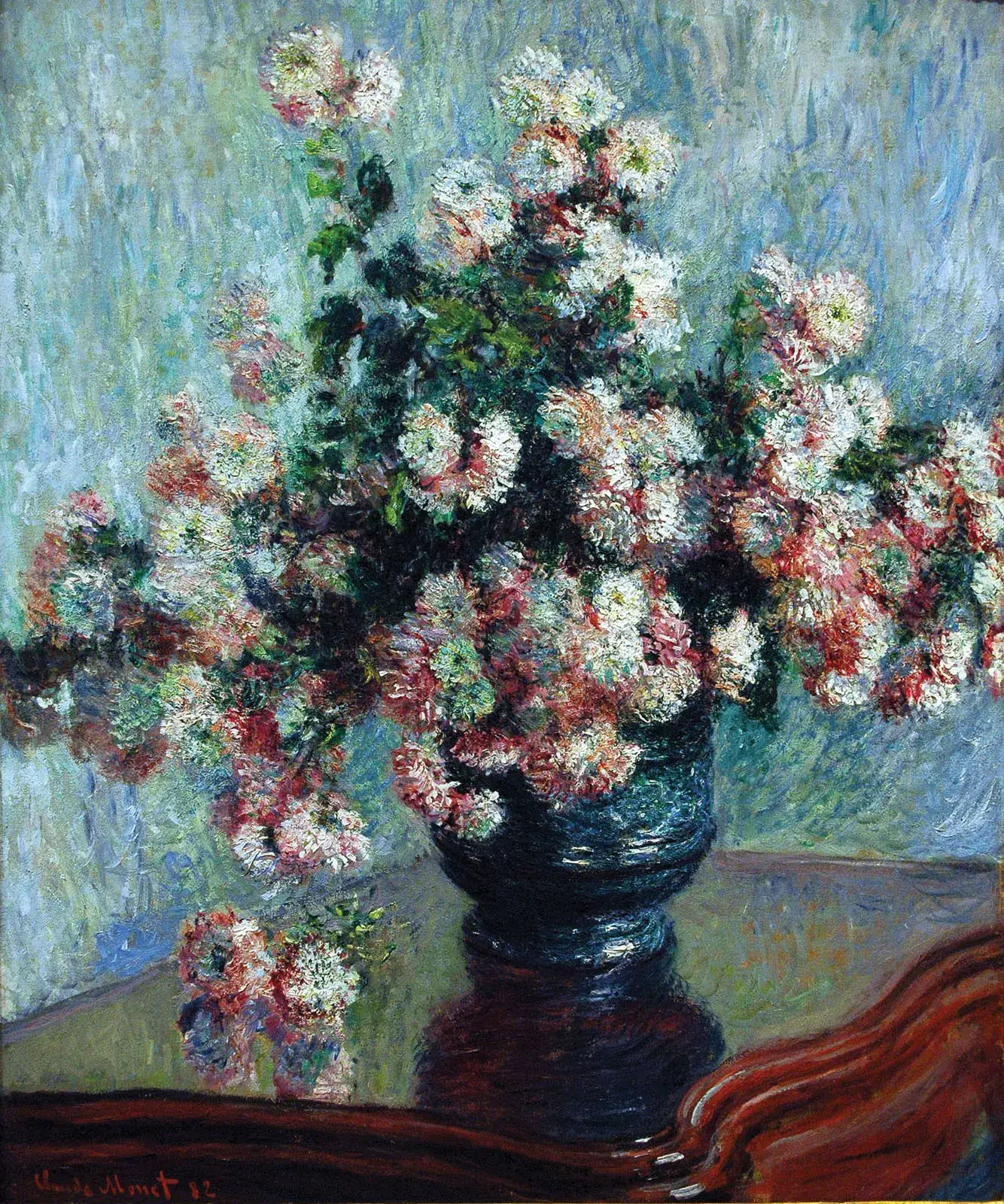

Impressionism was a revolutionary art movement that emerged in France during the late nineteenth century. Breaking away from the strict rules of academic painting, Impressionist artists focused on capturing the fleeting effects of light, atmosphere, and movement rather than creating highly detailed and polished works.
The movement marked a dramatic shift in how artists viewed the world around them. Instead of painting historical events, mythology, or religious subjects, Impressionists found inspiration in everyday life, landscapes, gardens, city streets, and ordinary people engaged in daily activities.
The Origins of Impressionism
The movement began in Paris during the 1860s and 1870s when a group of artists grew frustrated with the traditional standards imposed by the official art institutions of the time. These artists sought greater freedom in both subject matter and technique.
The term “Impressionism” originated from Claude Monet’s painting Impression, Sunrise (1872).

A critic used the title mockingly, suggesting the painting was merely an impression rather than a finished work. Ironically, the name stuck and became one of the most influential art movements in history.
Characteristics of Impressionist Art
Several key features distinguish Impressionist paintings:
Visible Brushstrokes
Rather than blending paint smoothly, Impressionists used short, visible brushstrokes that allowed viewers to see the artist’s hand at work.
Interest in Light
Artists carefully observed how light changed throughout the day. They often painted the same scene multiple times under different weather and lighting conditions.
Vibrant Colors
Traditional artists frequently used dark tones and black shadows. Impressionists preferred bright palettes and used complementary colors to create shadows.
Everyday Subjects
Common people, leisure activities, parks, gardens, rivers, and cafés became worthy artistic subjects.
Painting Outdoors
Many Impressionists painted “en plein air,” meaning outdoors. This let them observe nature and changing light directly.
Famous Impressionist Artists
Claude Monet (1840-1926)

Often considered the leading figure of Impressionism, Monet created iconic works such as Water Lilies, Haystacks, and Impression, Sunrise. His paintings explored the effects of light and atmosphere with extraordinary dedication.
Edgar Degas (1834-1917)

Degas focused on dancers, theaters, and modern urban life. Though often associated with Impressionism, he developed a unique style that emphasized composition and movement.
Pierre-Auguste Renoir (1841-1919)

Renoir is known for his lively depictions of people enjoying social gatherings and leisure activities. His paintings celebrate warmth, color, and human connection.
Camille Pissarro (1830-1903)

A mentor to many younger artists, Pissarro painted landscapes, rural scenes, and city streets with remarkable sensitivity.
The Legacy of Impressionism
Impressionism transformed the world of art by encouraging artists to paint what they saw and experienced rather than following established traditions. The movement paved the way for modern art and influenced generations of artists who sought greater creative freedom.
Today, Impressionist paintings remain among the most beloved works in museums around the world, admired for their luminous colors, expressive brushwork, and ability to capture fleeting moments in time.
Share your thoughts & leave a comment!